
 English
 Views: 0 Author: Site Editor Publish Time: 2026-02-17 Origin: Site


Outdoor living spaces have evolved far beyond simple patios and balconies. Today, patios are extensions of indoor living—places for relaxation, social gatherings, and everyday comfort. As a result, choosing the right patio furnitures, especially outdoor sofas, has become a critical decision for homeowners, hospitality operators, and commercial project buyers alike.
However, outdoor environments are unforgiving. Sun exposure, rain, humidity, temperature fluctuations, and seasonal changes can quickly degrade poorly designed furniture. That is why weather-resistant patio furnitures are no longer optional—they are essential for long-term value, comfort, and aesthetics.
In this article, we explore what makes patio furnitures truly weather-resistant, why outdoor sofas are the core of durable outdoor setups, and how to select furniture that performs reliably through every season without constant replacement or maintenance.
Outdoor furniture faces challenges that indoor furniture never encounters. Without proper material selection and construction, patio furnitures can fade, warp, rust, or lose comfort within a short period of time.
UV radiation causing fabric fading and material degradation
Moisture and rain leading to mold, mildew, and corrosion
Temperature changes causing expansion, contraction, and cracking
Wind and debris increasing physical wear
Weather-resistant patio furnitures are engineered to withstand these stresses while maintaining structural integrity and visual appeal year after year.
Among all patio furnitures, outdoor sofas play the most critical role in defining both usability and comfort. While dining chairs, loungers, or accent stools serve specific purposes, sofas are designed for extended seating, social interaction, and relaxation, making them the centerpiece of most outdoor living environments.
Outdoor sofas function much like indoor sofas: they support conversation, encourage people to stay longer, and shape how a space is used. In residential settings, they create a welcoming area for family gatherings or casual lounging. In commercial environments such as hotels, resorts, or cafés, outdoor sofas influence guest perception, comfort levels, and overall space efficiency.
Anchor the overall patio layout
Outdoor sofas establish the visual and functional foundation of the space, determining furniture placement and traffic flow.
Support long sitting durations
Unlike single chairs, sofas distribute body weight more evenly, reducing fatigue during extended use.
Create a living-room-like atmosphere outdoors
Sofas soften the outdoor environment and blur the line between indoor and outdoor living.
Serve as the focal point for seating arrangements
Coffee tables, side tables, and accent chairs are typically arranged around the sofa.
When outdoor sofas fail—through sagging cushions, rusted frames, or faded fabrics—the entire patio experience suffers. Comfort diminishes, aesthetics decline, and replacement costs rise. This is why weather resistance is especially critical for sofa-focused patio furnitures, where performance expectations are higher than for occasional-use seating.
The frame is the structural core of weather-resistant patio furnitures. A well-engineered frame ensures stability, safety, and long-term durability under constant exposure to sun, moisture, wind, and temperature changes.
Frame Material | Key Advantages | Seasonal Performance |
Aluminum | Lightweight, rust-free | Excellent year-round durability |
Powder-Coated Steel | High strength, stable | Requires quality coating |
Teak Wood | Naturally weather-resistant | Ages well with maintenance |
Synthetic Rattan | Flexible, moisture-resistant | Performs well in humid climates |
Aluminum frames are widely favored for modern patio furnitures due to their corrosion resistance, ease of handling, and structural reliability. They perform consistently across all seasons without rusting or warping.
Synthetic rattan, typically woven over metal frames, adds flexibility and visual warmth while resisting moisture and UV exposure. This makes it particularly suitable for outdoor sofas in coastal or high-humidity environments.
While powder-coated steel offers superior strength, its performance depends heavily on coating quality. Poor coatings can chip over time, exposing steel to corrosion. Teak wood, on the other hand, offers natural weather resistance but requires periodic care to maintain appearance.
For long-term, low-maintenance patio furnitures, aluminum and synthetic rattan remain the most practical and widely adopted frame choices.
Even the strongest frame cannot compensate for poor cushion materials. In outdoor sofas, cushions are the primary contact point with users and are most vulnerable to weather-related damage. High-quality patio furnitures rely heavily on advanced textile performance.
Solution-dyed acrylic for superior UV resistance and color stability
Olefin fabrics for excellent water repellency and abrasion resistance
Treated polyester for cost-effective outdoor applications
Unlike standard fabrics, solution-dyed materials integrate pigment at the fiber level, significantly reducing fading even after prolonged sun exposure.
High-density foam maintains shape, preventing sagging over time
Quick-dry foam prevents water retention, reducing mold risk
Breathable cushion covers reduce mildew and odor buildup
Fabric Type | UV Resistance | Moisture Resistance | Ideal Use |
Acrylic | Excellent | Good | Premium outdoor sofas |
Olefin | Very good | Excellent | High-humidity areas |
Polyester (treated) | Moderate | Good | Budget-conscious projects |
Well-designed outdoor sofas combine durable fabrics with engineered foam systems that dry quickly and retain comfort after repeated exposure to rain or humidity. This combination is essential for patio furnitures intended for year-round use.
Weather resistance alone is not enough—comfort must last as long as durability. Outdoor sofas should deliver ergonomic support comparable to indoor seating while accounting for outdoor-specific conditions such as temperature variation, moisture, and prolonged exposure to sunlight. Well-designed ergonomics ensure that patio furnitures remain inviting and functional over extended periods.
Proper seat depth for lounging
Adequate seat depth allows users to sit back comfortably without feeling cramped or overly reclined. This balance supports natural posture and relaxed seating for long conversations or leisure time.
Backrest angles that support posture
A carefully calibrated backrest angle helps reduce pressure on the lower back and shoulders, improving comfort during prolonged use.
Cushions with balanced firmness
Cushions should provide sufficient support without feeling rigid. High-quality foam maintains its shape over time, preventing sagging and discomfort.
Armrests positioned for natural relaxation
Correct armrest height improves usability, encourages proper posture, and enhances overall seating comfort.
Outdoor sofas that prioritize ergonomic design transform patio furnitures from purely decorative elements into true living solutions. They encourage longer use, higher comfort levels, and greater user satisfaction—whether in private gardens, hospitality venues, or commercial outdoor spaces.
By combining weather-resistant materials with thoughtful ergonomic engineering, patio furnitures can deliver consistent comfort and performance throughout every season.
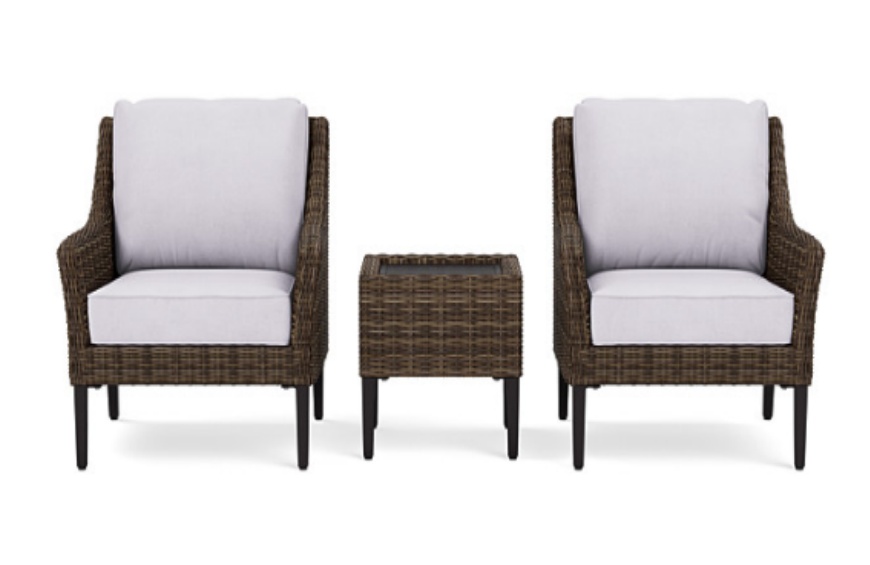
Flexibility is increasingly important in modern patio furnitures, especially for commercial or multi-use outdoor environments.
Sofa Type | Advantages | Best Applications |
Modular Sofas | Adjustable layouts | Hotels, resorts, family patios |
Fixed Sofas | Visual stability | Permanent seating zones |
Modular outdoor sofas allow layouts to be easily reconfigured based on gatherings, seasonal changes, or space requirements. This adaptability makes them ideal for hospitality projects and dynamic residential patios.
Fixed sofas, on the other hand, offer structural stability and a clear design statement, making them suitable for defined seating areas where layout consistency is preferred.
True weather-resistant patio furnitures are designed to minimize upkeep without sacrificing appearance or comfort. Maintenance-friendly features help reduce long-term operating costs and preserve product value.
UV-resistant finishes to prevent fading
Water-repellent cushion covers to limit moisture absorption
Rust-resistant hardware for structural integrity
Removable, washable fabric covers for easy cleaning
With basic care—such as seasonal cleaning and the use of protective covers during extreme weather—high-quality outdoor sofas can maintain both performance and aesthetics for many years, making them a reliable long-term investment.
While weather-resistant patio furnitures may require a higher initial investment, the long-term benefits are clear:
Reduced replacement costs
Consistent comfort and appearance
Lower maintenance effort
Improved user experience
For both residential and commercial buyers, durability directly translates into better value over time.
Choosing weather-resistant patio furnitures is about more than surviving the elements—it’s about creating outdoor spaces that remain comfortable, inviting, and reliable all year round. Outdoor sofas, as the centerpiece of most patio layouts, deserve special attention in material selection, design, and construction.
We focus on developing patio furnitures that balance durability, comfort, and modern aesthetics, ensuring outdoor sofas perform through sun, rain, heat, and cold without compromise. By combining weather-resistant frames, advanced fabrics, and ergonomic design, long-lasting outdoor comfort becomes achievable rather than aspirational.
To explore more durable and thoughtfully designed patio furnitures solutions, we invite you to learn more at www.axoutdoor.com and discover options that elevate outdoor living across every season.
What makes patio furnitures truly weather-resistant?
Weather-resistant patio furnitures use rust-free frames, UV-stable fabrics, water-repellent cushions, and construction designed for outdoor exposure.
Are outdoor sofas suitable for year-round outdoor use?
Yes, when made with proper materials and protective finishes, outdoor sofas can remain outside throughout all seasons with minimal maintenance.
What is the best frame material for weather-resistant patio furnitures?
Aluminum and synthetic rattan are widely preferred for their corrosion resistance, strength, and low upkeep.
How can I extend the lifespan of outdoor sofas?
Routine cleaning, cushion drying, and protective covers during extreme weather significantly extend the life of patio furnitures.


