
 English
 Views: 0 Author: Site Editor Publish Time: 2026-02-06 Origin: Site


Patio furnitures play an essential role in creating comfortable, functional, and inviting outdoor living spaces. Among them, outdoor sofas are often the centerpiece—used daily for relaxation, family gatherings, and social occasions. However, constant exposure to sun, rain, humidity, dust, and temperature changes means that patio furnitures require proper care to maintain their appearance and performance over time.
At our company, we work closely with outdoor furniture manufacturers, distributors, and buyers, and we understand that long-term durability is just as important as design and comfort. In this guide, we share practical, year-round maintenance strategies to help protect patio furnitures—especially outdoor sofas—so they remain attractive, supportive, and reliable in every season.
Unlike indoor furniture, patio furnitures face continuous environmental stress. UV radiation can fade fabrics, moisture can weaken frames, and temperature fluctuations can shorten material lifespan. Without regular care, even high-quality outdoor sofas can deteriorate prematurely.
Consistent maintenance helps:
Extend product lifespan
Preserve fabric color and texture
Maintain structural stability
Reduce replacement and repair costs
For homeowners and commercial buyers alike, proper care ensures that patio furnitures deliver long-term value rather than becoming a recurring expense.
Effective maintenance always starts with understanding the materials used in your patio furnitures. Outdoor sofas are rarely made from a single material; instead, they typically combine frames, cushions, and upholstery, each with its own performance characteristics and care requirements. Knowing how these materials behave in different environments allows you to apply the right cleaning and protection methods throughout the year.
Aluminum
Aluminum frames are lightweight, rust-resistant, and easy to maintain, making them one of the most popular choices for patio sofas. They do not corrode easily and can withstand moisture and humidity well. Routine care usually involves simple wiping with a damp cloth and occasional mild cleaning to remove dirt or salt buildup in coastal areas.
Steel
Steel frames offer superior strength and stability, which is why they are often used in larger outdoor sofas or commercial patio furnitures. However, steel is more vulnerable to corrosion if the protective coating is damaged. Regular inspection for scratches, chips, or exposed metal is essential, and prompt touch-up treatment helps prevent rust from spreading.
Wood (Teak, Eucalyptus)
Wooden frames provide a natural, premium look and are widely used in high-end patio sofas. Teak and eucalyptus are naturally weather-resistant, but they still require periodic sealing or oiling to maintain their appearance and structural integrity. Without care, wood may fade, dry out, or develop surface cracks over time.
Wicker (PE Rattan)
Synthetic wicker, often made from PE rattan, is designed to withstand outdoor conditions while offering a woven, comfortable aesthetic. While weather-resistant, wicker can trap dust and debris in its crevices, making regular cleaning important to preserve its appearance and prevent buildup.
Outdoor sofa comfort depends heavily on cushion construction and fabric choice.
Solution-dyed acrylic fabrics are highly resistant to fading and ideal for sunny environments.
Polyester outdoor fabrics offer good durability and affordability, though they benefit from additional UV protection.
Quick-dry foam or high-density sponge cushions allow water to drain and air to circulate, reducing moisture retention and drying time.
Understanding these components helps ensure that cleaning and storage methods protect both comfort and longevity.
Spring is the ideal season to refresh patio furnitures after winter storage or reduced use. This is the time to restore cleanliness, identify early damage, and prepare outdoor sofas for heavier use.
Begin by removing all cushions and vacuuming loose debris such as dust, leaves, and pollen. Wash fabric covers using mild soap and lukewarm water, avoiding harsh detergents that can weaken fibers or strip protective coatings. Rinse thoroughly and allow covers to air-dry completely before reassembly.
For sofa frames:
Wipe aluminum or steel frames with a damp cloth
Use soft brushes to clean wicker surfaces and tight corners
Lightly sand and re-oil wooden frames if the surface appears dry or faded
Spring inspection helps prevent small problems from becoming major repairs:
Check joints, screws, and fasteners for looseness
Inspect cushion seams, zippers, and stitching
Look for early signs of rust, mold, or mildew
Addressing these issues early improves durability and reduces maintenance costs later in the year.
Summer is the most demanding season for patio furnitures due to intense sunlight, high temperatures, and frequent use. Outdoor sofas are especially vulnerable during this period.
Prolonged sun exposure is the leading cause of fabric fading and material aging. To reduce UV damage:
Use furniture covers when sofas are not in use
Position sofas under pergolas, awnings, or umbrellas
Rotate cushions periodically to ensure even exposure
These simple practices help maintain fabric color and texture over time.
High temperatures can dry out both fabrics and foam cushions, reducing comfort and lifespan. Keep cushions breathable by avoiding tight stacking in direct sunlight. Allow airflow around seating areas and remove cushions occasionally to cool down after prolonged sun exposure.
Autumn introduces falling leaves, increased moisture, and cooler nights, all of which can affect patio furnitures.
As humidity rises, moisture management becomes critical:
Clean cushions more frequently to remove organic debris
Ensure cushions are fully dry before storage or covering
Elevate sofas slightly to allow airflow beneath the frame
Temperature changes can cause expansion and contraction:
Tighten fasteners loosened over the summer
Apply protective coatings to metal frames if wear is visible
Clean wicker crevices where leaves and dirt can collect
These steps help patio sofas transition smoothly into colder months.
If patio furnitures are not used during winter, proper storage becomes essential to preserve condition and extend lifespan.
Store cushions indoors in a dry, ventilated area
Cover frames with breathable waterproof covers
Avoid airtight plastic wrapping that traps moisture and promotes mold
For regions with mild winters, outdoor sofas can remain outside if properly covered and elevated to prevent water pooling around legs or frames.
Year-round maintenance distributes wear evenly across materials rather than allowing damage to accumulate in one season. Seasonal care routines:
Reduce fabric fading and foam breakdown
Prevent corrosion and structural weakening
Preserve comfort and visual appeal
This approach is especially valuable for commercial patio furnitures used in hotels, cafés, and residential developments.
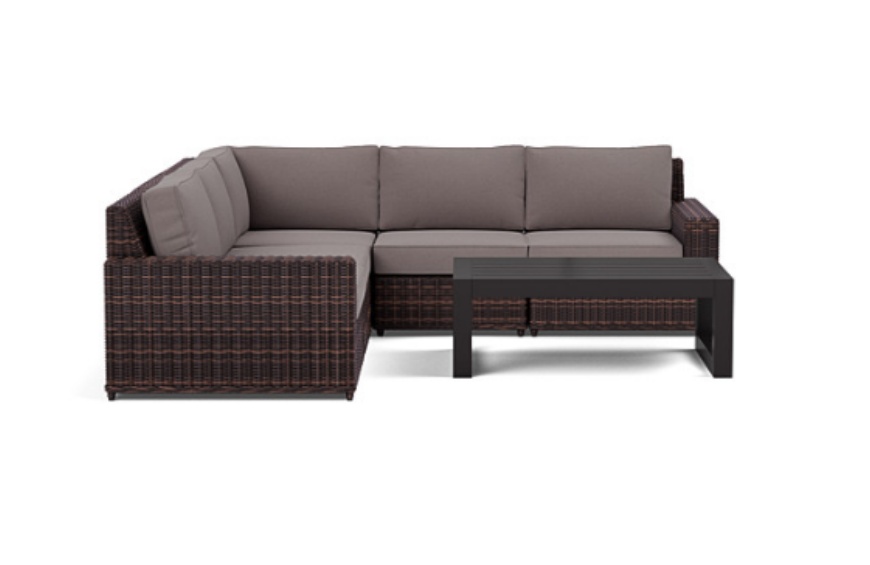
The most effective patio furniture care strategy is consistency rather than intensity. Light, regular maintenance prevents dirt buildup, material fatigue, and long-term damage far more effectively than occasional deep cleaning. By understanding the materials used in patio furnitures and adjusting care routines seasonally, outdoor sofas can remain comfortable, functional, and visually appealing year after year.
Routine maintenance also helps preserve structural integrity and fabric performance, especially in environments exposed to sun, moisture, and frequent use. Over time, these small efforts significantly reduce replacement costs and extend product lifespan.
Component | Recommended Frequency |
Fabric cushions | Every 2–4 weeks |
Metal frames | Monthly |
Wicker surfaces | Monthly |
Wooden frames | Seasonal |
Regular light cleaning removes dust, pollen, and moisture before they can cause staining, fading, or material degradation. This approach is especially effective for outdoor sofas that experience daily use.
For hotels, resorts, cafés, and residential developments, consistent maintenance routines directly impact both appearance and customer satisfaction. Well-maintained patio furnitures communicate quality, professionalism, and attention to detail.
Key long-term care habits include:
Training staff or homeowners on basic furniture care practices
Keeping spare cushion covers to rotate during cleaning cycles
Using standardized, fabric-safe cleaning products
Scheduling seasonal inspections for frames, fasteners, and upholstery
These habits ensure outdoor sofas maintain a premium look even under high-traffic conditions.
Avoiding common errors is just as important as proper care:
Using harsh chemicals or pressure washers that damage finishes
Leaving wet cushions stacked together, leading to mold growth
Ignoring early signs of rust, loose joints, or fabric wear
Using indoor-only fabrics outdoors
By avoiding these mistakes, patio furnitures can deliver long-term performance and comfort with minimal upkeep.
Maintaining and protecting your patio furnitures all year is not complicated, but it does require consistency and the right approach. With proper cleaning, seasonal care, and material-specific protection, outdoor sofas can remain comfortable, attractive, and durable for many years.
At www.axoutdoor.com, we focus on patio furnitures designed for real outdoor conditions, with materials and structures built for long-term performance. Whether you are furnishing a private garden or a commercial outdoor space, we welcome you to contact us to explore solutions that combine comfort, durability, and easy maintenance.
1. How often should I clean my patio sofa cushions?
Light cleaning every 2–4 weeks is recommended, with deeper cleaning seasonally.
2. Can patio furnitures stay outside all year?
Yes, if materials are weather-resistant and proper covers are used.
3. What is the best way to prevent fading of outdoor sofa fabric?
Limit direct sun exposure and use protective covers when not in use.
4. Should cushions be stored indoors during winter?
Storing cushions indoors in a dry environment helps prevent moisture damage and extends lifespan.


