
 English
 Views: 0 Author: Site Editor Publish Time: 2025-11-12 Origin: Site


Teak outdoor furniture is a beautiful addition to any patio or garden. However, over time, it can lose its luster and charm.
Restoring teak furniture is essential for maintaining its durability and appearance.
In this article, you’ll learn how to effectively restore your teak outdoor furniture, ensuring it remains stunning for years to come.
Teak wood is renowned for its exceptional qualities, making it a top choice for outdoor furniture. Its unique properties not only enhance its appearance but also ensure durability against various elements.
One of the standout features of teak is its natural oils. These oils act as a protective barrier, allowing teak to withstand harsh weather conditions. Whether it’s intense sunlight, rain, or humidity, teak remains resilient.
● Weather Resistance: Teak does not warp or crack easily, even in extreme temperatures.
● Insect Resistance: The natural oils repel insects, preventing damage from pests.
This durability means that teak outdoor furniture can last for decades, often becoming an heirloom piece that can be passed down through generations.
The beauty of teak wood is undeniable. Its rich golden-brown hue and fine grain patterns create an elegant look that enhances any outdoor space.
● Unique Grain Patterns: Each piece of teak is distinct, adding character to your furniture.
● Aging Gracefully: Over time, teak develops a beautiful silver-gray patina, which many people find appealing.
This aesthetic versatility allows teak furniture to complement various styles, from modern to traditional.
Teak furniture is not just beautiful; it’s built to last. On average, well-maintained teak can last 50 years or more. Factors affecting its lifespan include:
Factor | Impact on Longevity |
Maintenance | Regular cleaning and oiling can extend life. |
Exposure | Furniture in shaded areas lasts longer. |
Quality of Teak | Higher-grade teak is more durable. |
By understanding these factors, you can ensure your teak outdoor furniture remains a stunning focal point in your home for many years to come. Investing in teak is not just about immediate beauty; it’s about creating lasting memories in a beautiful setting.
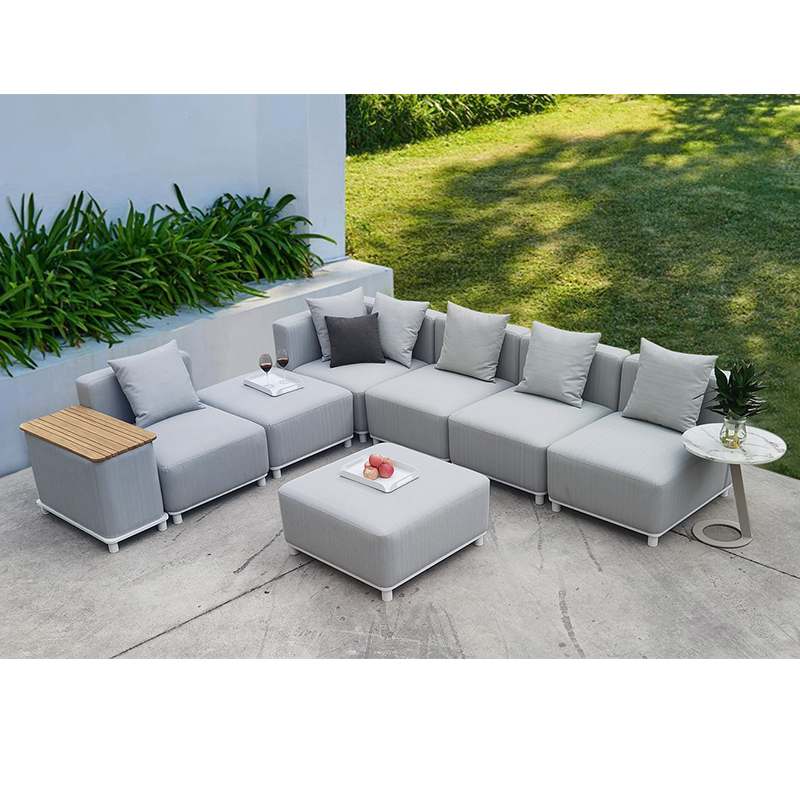
Recognizing when your teak outdoor furniture needs restoration is crucial for maintaining its beauty and longevity. Several key signs indicate it’s time to give your furniture some attention.
Teak wood naturally ages over time, leading to noticeable color changes. Initially, teak boasts a warm golden hue that can fade to a dull gray if not maintained properly.
● Natural Aging Process: As teak is exposed to sunlight and weather, the vibrant color diminishes.
● Fading Signs: Look for uneven tones or patches where the color has lightened.
To restore the rich color, you may need to clean and treat the wood regularly.
Surface damage is another clear indicator that your teak furniture requires restoration. Over time, scratches, dents, and cracks can accumulate, affecting both appearance and functionality.
● Scratches and Dents: These imperfections can occur from regular use or harsh weather conditions.
● Cracks: Small cracks may develop, especially in areas that experience direct sunlight.
To address these issues, it’s important to assess the extent of the damage. A simple sanding or refinishing may often suffice to bring back the furniture’s original look.
Stains and mold are common problems for outdoor furniture, especially for teak. Various substances can leave marks, and mold can thrive in damp conditions.
Type of Stain | Description |
Oil Stains | Can come from food or cooking spills. |
Bird Droppings | Acidic and can damage the wood finish. |
Mold Growth | Often appears as dark spots on the surface. |
Regular cleaning can help prevent these stains. If mold appears, it’s essential to treat it promptly to avoid further damage. Using a gentle cleaner can help remove stains while preserving the wood's integrity.
By being vigilant about these signs, you can ensure your teak outdoor furniture remains beautiful and functional for years to come.
Preparing for the restoration of your teak outdoor furniture involves gathering the right tools and materials. This ensures the process is efficient and effective, helping you achieve the best results.
Before diving into the restoration, it's crucial to start with proper cleaning. Using eco-friendly teak cleaners is a great way to protect the environment while maintaining your furniture.
● Teak Cleaners: Look for products specifically designed for teak, as they effectively remove dirt and grime without damaging the wood.
● Soft Brushes: A gentle brush helps scrub away stubborn stains without scratching the surface.
Here’s a quick list of recommended cleaning supplies:
Item | Purpose |
Eco-friendly Cleaner | Removes dirt and stains |
Soft-bristle Brush | Gentle scrubbing without scratches |
Clean Rags | For drying and wiping down surfaces |
Using these supplies will prepare your teak for the next restoration steps.
Once your furniture is clean, it’s time to consider restoration products. The right sealants, oils, and finishes will enhance the wood's natural beauty and protect it from the elements.
● Teak Oil: This penetrates the wood, providing moisture and a rich color. It’s ideal for maintaining the wood's luster.
● Sealants: A good sealant provides a protective layer, preventing water damage and UV fading.
● Finishes: Choose finishes that are specifically formulated for outdoor use to ensure durability.
Product Type | Benefits |
Teak Oil | Enhances color and provides moisture |
Sealants | Protects against water and UV damage |
Outdoor Finishes | Ensures long-lasting protection and beauty |
Selecting high-quality restoration products will significantly impact the longevity and appearance of your teak furniture.
Safety should never be overlooked during the restoration process. Wearing the right protective gear is essential to ensure your health and safety.
● Gloves: Protect your hands from harsh chemicals found in cleaners and finishes.
● Masks: Wearing a mask helps avoid inhaling fumes from cleaning products or finishes, which can be harmful.
Here’s a quick checklist for protective gear:
Gear | Importance |
Gloves | Protects skin from chemicals |
Masks | Prevents inhalation of harmful fumes |
Safety Glasses | Shields eyes from splashes and debris |
By preparing adequately with these tools and materials, you can ensure a successful restoration of your teak outdoor furniture, allowing it to shine beautifully for years to come.
Restoring your teak outdoor furniture can breathe new life into it, making it look beautiful and prolonging its lifespan. Here’s a simple step-by-step guide to help you through the process.
Cleaning is the first and most crucial step in the restoration process. You want to remove dirt, grime, and any old finishes that may have built up over time.
● Cleaning Techniques: Start by using an eco-friendly teak cleaner. Apply it with a soft brush, scrubbing gently to lift away dirt. Rinse thoroughly with water to ensure no cleaner residue is left behind.
● Drying: After rinsing, let the furniture dry completely before moving on to the next step. This is vital because applying oil or sealant to damp wood can trap moisture and lead to damage.
Cleaning Supplies | Purpose |
Eco-friendly Cleaner | Removes dirt and old finishes |
Soft Brush | Gentle scrubbing without scratching |
Clean Water | Rinses away cleaning solution |
Sanding is essential for preparing the wood for oil or sealant application. It smooths the surface and helps the product adhere better.
● Importance of Sanding: This step removes any rough spots, old finishes, and deep scratches. Proper sanding enhances the overall appearance of the wood.
● Tips for Sanding: Use a sanding block or an orbital sander for even results. Start with a coarser grit (around 80) to remove imperfections, then progress to a finer grit (220) for a smooth finish.
Grit Size | Purpose |
80 | Removes rough areas and old finishes |
120 | Smooths the surface before final sanding |
220 | Prepares the wood for oil or sealant |
Now it’s time to apply teak oil or sealant, both of which have their benefits.
● Teak Oil vs. Sealants: Teak oil penetrates the wood, providing moisture and enhancing its color. Sealants create a protective layer on the surface, guarding against moisture and UV rays.
● Application Instructions: Use a clean cloth or brush to apply the oil or sealant evenly across the surface. Ensure you cover all areas, including crevices. Allow it to soak in for about 15 minutes, then wipe off any excess.
Product Type | Benefits |
Teak Oil | Enhances color and provides moisture |
Sealants | Protects against water and UV damage |
Reapplication Frequency: Depending on exposure to the elements, reapply teak oil every 6 to 12 months and sealants annually to maintain optimal protection.
Keeping your teak furniture in top shape requires regular maintenance. Here are some best practices.
● Frequency of Maintenance: Clean the furniture at least twice a year to remove dirt and prevent buildup. Regular oiling or sealing helps keep the wood protected.
● Seasonal Care: In wetter climates, increase the frequency of inspections for mold or mildew. In dry climates, consider using a humidifier to prevent the wood from cracking.
Maintenance Task | Recommended Frequency |
Cleaning | Twice a year |
Oiling | Every 6 to 12 months |
Sealing | Annually |
By following these steps, you can enjoy your beautifully restored teak outdoor furniture for many seasons to come.
Restoring teak outdoor furniture can come with its own set of challenges. Understanding how to address common issues will help you achieve the best results and extend the life of your furniture.
Deep cracks can develop in teak furniture over time, especially if it’s been exposed to harsh weather conditions. Fortunately, there are effective techniques to repair these imperfections.
● Filling Techniques: Start by cleaning the crack thoroughly to remove any dust or debris. For deep cracks, consider using a wood filler specifically designed for outdoor use. Apply the filler with a putty knife, ensuring it fills the crack completely. Once it dries, sand the area smooth to blend it with the surrounding wood.
● Recommended Products: Look for high-quality wood fillers or epoxy compounds that are waterproof and suitable for outdoor furniture. Brands like Minwax and Gorilla Glue offer reliable options.
Product Type | Features |
Wood Filler | Easy to apply, dries quickly, sandable |
Epoxy Compound | Strong bond, waterproof, ideal for deep cracks |
Stains on teak furniture can be unsightly, but many can be treated effectively. Knowing how to approach specific stains can save your furniture’s appearance.
● Oil Stains: For oil stains, sprinkle baking soda on the affected area and scrub gently with a soft brush. Rinse thoroughly and repeat if necessary. This method helps lift the oil without damaging the wood.
● Mildew and Mold: If you notice mildew, create a solution of mild soap and warm water. Use a soft cloth to scrub the area gently. Rinse well and dry completely to prevent further growth.
Stain Type | Treatment Method |
Oil Stains | Baking soda scrub, rinse well |
Mildew | Mild soap solution, soft cloth scrubbing |
Taking proactive steps can significantly reduce the risk of damage to your teak furniture. Here are some recommendations to keep it looking great.
● Protection from Elements: Whenever possible, store your teak furniture indoors during harsh weather conditions. If that’s not feasible, consider using high-quality outdoor furniture covers. These covers shield your furniture from rain, snow, and UV rays.
● Using Covers During Off-Seasons: During the off-season, covering your furniture is essential. It prevents dust accumulation and protects against moisture, which can lead to mold and mildew.
Protection Method | Benefits |
Indoor Storage | Shields from extreme weather |
Outdoor Covers | Prevents moisture and UV damage |
By addressing these common issues effectively, you can maintain the beauty and functionality of your teak outdoor furniture for years to come.
While teak is a popular choice for outdoor furniture due to its durability and aesthetic appeal, there are several alternatives worth considering. Each material has its unique characteristics, benefits, and drawbacks, making them suitable for different preferences and needs.
When exploring alternatives, you might come across materials like eucalyptus, aluminum, and synthetic wicker. Each of these options brings something different to the table.
● Eucalyptus: This hardwood is known for its strength and resistance to the elements. It has a beautiful natural color and can be treated to enhance its longevity. Eucalyptus is often more affordable than teak, making it a great option for budget-conscious buyers.
● Aluminum: Lightweight and rust-resistant, aluminum is perfect for those who need easy-to-move furniture. It can come in various styles and colors, offering versatility in design. However, it may not have the same aesthetic warmth as wood.
● Synthetic Wicker: Made from plastic or resin, synthetic wicker mimics the look of traditional wicker but is much more durable. It withstands the elements well and requires minimal maintenance. However, it may not provide the same natural feel as wood.
Material | Key Features | Price Range |
Eucalyptus | Strong, affordable, naturally beautiful | Moderate |
Aluminum | Lightweight, rust-resistant, versatile | Varies widely |
Synthetic Wicker | Durable, low maintenance, stylish | Moderate to high |
Understanding the pros and cons of these materials can help you make an informed decision. Each material has its own maintenance needs and aesthetic qualities.
● Eucalyptus: While it offers a similar look to teak, it requires regular oiling to maintain its color. It’s less durable than teak but still holds up well against the elements.
● Aluminum: This option is incredibly low-maintenance and won’t rust. However, it can get quite hot in direct sunlight, making it less comfortable for lounging.
● Synthetic Wicker: It’s easy to clean and resistant to fading, but it may not have the same longevity as solid wood options. Over time, the plastic can become brittle if exposed to harsh conditions.
Additionally, other hardwoods like mahogany and acacia are worth mentioning. Mahogany is prized for its rich color and durability, while acacia is known for its resistance to moisture and insects. Both woods require some maintenance but can last many years when properly cared for.
Material | Durability | Maintenance Needs | Aesthetic Appeal |
Eucalyptus | Moderate | Regular oiling to maintain color | Natural, warm look |
Aluminum | High | Minimal, occasional cleaning | Modern, sleek |
Synthetic Wicker | Moderate to High | Easy to clean, low maintenance | Stylish, varied designs |
Mahogany | High | Regular polishing | Deep, rich tones |
Acacia | High | Minimal, occasional oiling | Warm, attractive grains |
By considering these alternatives, you can find outdoor furniture that meets your needs and complements your outdoor space beautifully.
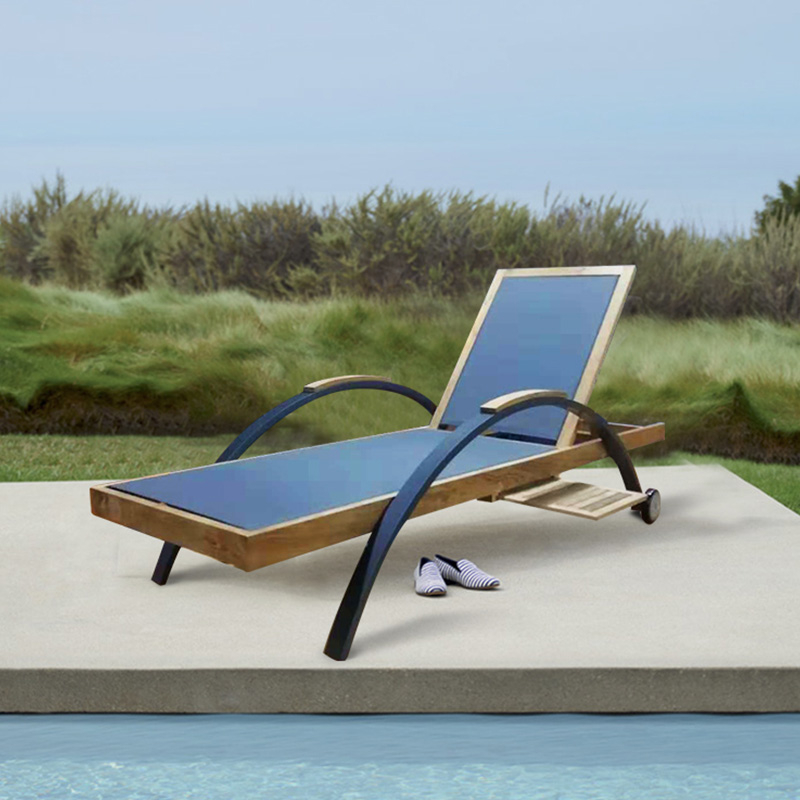
The outdoor furniture market is evolving rapidly, reflecting changes in consumer preferences and environmental considerations. Understanding these trends can help you make informed choices when restoring or purchasing teak outdoor furniture.
Sustainability is at the forefront of many consumers' minds today. As a result, eco-friendly materials and practices are gaining traction in the outdoor furniture industry.
● Sustainable Materials: Many brands now offer furniture made from recycled plastics, reclaimed wood, and sustainably sourced materials. For instance, bamboo is becoming increasingly popular due to its rapid growth and minimal environmental impact.
● Eco-Conscious Practices: Companies are adopting greener manufacturing processes, focusing on reducing waste and energy consumption. This shift not only helps the environment but also appeals to consumers looking to make responsible purchases.
Material | Sustainability Factor | Examples |
Recycled Plastics | Reduces landfill waste | Chairs, tables |
Bamboo | Rapidly renewable resource | Benches, loungers |
Reclaimed Wood | Utilizes existing materials | Dining sets, accents |
Today's outdoor furniture is not just functional; it’s also stylish and adaptable. Design innovations are reshaping how we think about outdoor spaces.
● Modular Designs: More brands are offering modular furniture that can be rearranged to fit various spaces and occasions. This flexibility allows homeowners to customize their outdoor areas easily, whether for entertaining guests or relaxing alone.
● Multifunctional Furniture: Pieces that serve multiple purposes are becoming popular. For example, benches that double as storage or tables that can be expanded for larger gatherings save space and add versatility.
Design Feature | Benefits | Examples |
Modular Systems | Customizable layouts | Sectional sofas |
Multifunctional Items | Space-saving, versatile | Storage ottomans |
When it comes to teak outdoor furniture, understanding pricing can be complex. Various factors influence the cost, making it essential to know what to expect.
● Teak Pricing: High-quality teak furniture typically ranges from moderate to high prices, reflecting its durability and aesthetic appeal. On average, a teak dining set can cost anywhere from $1,500 to $3,000, depending on size and craftsmanship.
● Quality Factors: Several elements affect the price, including the grade of teak (e.g., premium vs. plantation), brand reputation, and the complexity of the design. Higher-grade teak will generally last longer and resist weathering better, making it a worthwhile investment.
Price Range | Quality Level | Typical Items |
$1,000 - $1,500 | Entry-level, good for occasional use | Basic dining sets |
$1,500 - $3,000 | Mid-range, better durability | Quality dining sets |
$3,000 and up | High-end, premium materials and craftsmanship | Luxury outdoor suites |
By keeping an eye on these trends, you can choose outdoor furniture that not only meets your needs but also aligns with current market preferences and sustainability goals.
Restoring teak outdoor furniture is essential for its longevity and beauty. Regular maintenance enhances its appearance and protects your investment.
We encourage you to take action and care for your outdoor pieces.
Feel free to share your restoration experiences or ask questions in the comments below!

