
 English
 Views: 0 Author: Site Editor Publish Time: 2025-11-12 Origin: Site


Are you tired of finding spiders lurking on your outdoor furniture? These eight-legged creatures are often drawn to our patios and decks, making relaxation less enjoyable. In this article, we’ll explore why spiders are attracted to outdoor furniture and share effective strategies to keep them at bay. You’ll learn practical tips to maintain a spider-free outdoor space.
Spiders often find outdoor furniture to be an inviting haven. Understanding why they are attracted to these spaces can help us create effective strategies to keep them away. Here are some common reasons that make outdoor furniture appealing to these eight-legged creatures.
One major factor is the design of outdoor furniture itself. Many pieces feature intricate designs, such as woven patterns or gaps between slats. These areas provide perfect hiding spots for spiders, allowing them to stay concealed from predators and humans. For example, a wooden deck chair might have spaces between its slats, creating an ideal nook for spiders to settle in.
Furniture Type | Hiding Spots |
Wooden Chairs | Gaps between slats |
Rattan Furniture | Woven fibers and crevices |
Metal Tables | Underside and joint connections |
Another reason outdoor furniture attracts spiders is the abundance of food sources nearby. Spiders primarily feed on insects, which are often found around outdoor areas, especially during warm months. If your furniture is located near flowering plants or lights that attract bugs, it becomes a prime location for spiders looking for a meal.
● Common Insects That Attract Spiders:
○ Flies
○ Mosquitoes
○ Ants
○ Moths
These insects are drawn to light and vegetation, increasing the likelihood of spider encounters on your patio or deck.
The materials used in outdoor furniture also play a role in attracting spiders. Certain materials, like wood and rattan, are more appealing due to their texture and ability to retain moisture. Spiders prefer environments that offer some humidity, making damp wooden surfaces or woven rattan ideal habitats.
Material | Spider Attraction Level | Reason |
Wood | High | Retains moisture, provides hiding spots |
Rattan | High | Woven texture offers shelter |
Metal | Low | Less appealing, easy to clean |
By recognizing these factors, you can take proactive measures to minimize spider presence around your outdoor furniture. Understanding their attraction helps us create a less inviting environment for them.
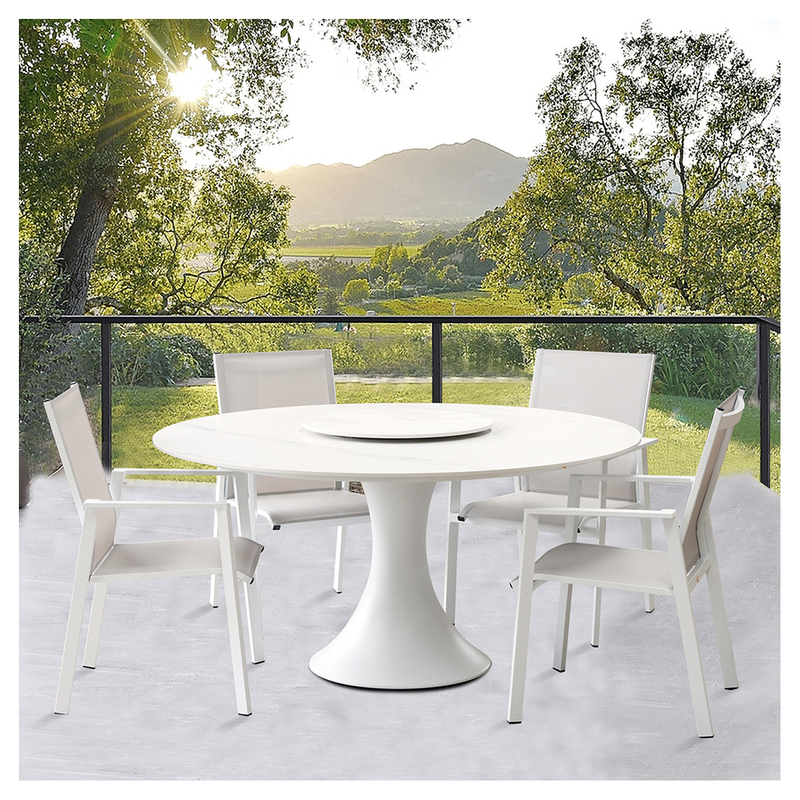
Maintaining spider-free outdoor furniture requires consistent effort and smart strategies. These proven methods will help you create an unwelcoming environment for spiders while preserving your furniture's beauty and functionality. Let's explore the most effective approaches to keep these eight-legged visitors at bay.
Proper cleaning forms the foundation of spider prevention on outdoor furniture. Different materials require specific approaches to ensure thorough cleaning without damage. Wood furniture needs gentle treatment to avoid scratches, while metal pieces can handle more aggressive cleaning methods. The key lies in understanding your furniture's material and choosing appropriate techniques.
Removing debris and webs should be your first priority during any cleaning session. Spiders often build webs in corners, under armrests, and between cushions where they feel protected. These areas become breeding grounds if left unchecked. Regular removal disrupts their habitat and forces them to relocate elsewhere.
Aluminum and wooden outdoor furniture benefit greatly from soft brushes or vacuum attachments. These tools effectively remove spider webs, egg sacs, and debris without scratching delicate surfaces. Start from the top and work downward, paying special attention to joints and crevices where spiders commonly hide. A handheld vacuum with a brush attachment works exceptionally well for intricate designs and hard-to-reach spots.
Rattan furniture requires a different approach due to its woven structure. Mix warm water with mild detergent to create a gentle cleaning solution. Use a soft cloth or sponge to work the solution into the weave, then rinse thoroughly with clean water. This method removes spider webs and prevents moisture buildup that attracts insects.
Furniture Material | Cleaning Method | Tools Needed | Frequency |
Aluminum | Soft brush + mild soap | Brush, cloth, hose | Weekly |
Wood | Vacuum + gentle cleaner | Vacuum, microfiber cloth | Bi-weekly |
Rattan | Warm water + detergent | Sponge, soft brush | Monthly |
Plastic | All-purpose cleaner | Cloth, spray bottle | Weekly |
Preparing outdoor furniture for seasonal changes significantly reduces spider attraction throughout the year. Spring cleaning should focus on removing winter debris and checking for damage that creates new hiding spots. Inspect all joints, screws, and connections for gaps that spiders might exploit. Tighten loose hardware and seal any cracks with appropriate materials.
Fall preparation involves thorough cleaning before storage or winterization. Remove all cushions and covers for washing, then store them in sealed containers. This prevents spiders from nesting in fabric during colder months. Check for potential nesting areas around furniture legs, under tables, and inside hollow sections of chairs or benches.
Strategic landscaping plays a crucial role in minimizing spider presence around outdoor furniture. Position your seating areas and dining sets at least three feet away from dense vegetation, flower beds, and shrubs. This distance creates a barrier zone that spiders are less likely to cross regularly. They prefer staying close to their natural habitats rather than venturing into open spaces.
Consider the types of plants surrounding your outdoor furniture area. Some plants attract insects that spiders feed on, while others naturally repel both insects and spiders. Avoid planting flowering species directly adjacent to seating areas, as they draw flies, mosquitoes, and other spider prey.
Maintaining clean surroundings around outdoor furniture dramatically reduces spider populations. Remove fallen leaves, grass clippings, and organic debris that accumulate near furniture bases. These materials provide shelter for insects and create humid microclimates that spiders find attractive. Regular yard maintenance should include sweeping or blowing debris away from furniture areas.
Trim back overgrown vegetation that touches or hangs over furniture pieces. Branches and vines create natural bridges for spiders to access your outdoor furniture. Keep bushes pruned and maintain clear sight lines around seating areas. This approach not only deters spiders but also improves the overall appearance of your outdoor space.
Standing water sources near outdoor furniture create perfect breeding grounds for insects, which subsequently attract spiders. Check regularly for water accumulation in plant saucers, decorative containers, and low-lying areas around your patio or deck. Empty these sources promptly and ensure proper drainage to prevent refilling during rain.
Waterproof mats placed under furniture legs serve multiple purposes in spider prevention. They prevent moisture from seeping up from ground contact and create a barrier that spiders find difficult to cross. Choose mats with smooth surfaces rather than textured ones, as spiders prefer rough textures for grip and web attachment.
Essential oils offer an effective, chemical-free approach to spider deterrence around outdoor furniture. Peppermint oil stands out as one of the most potent natural spider repellents available. Its strong menthol scent overwhelms spiders' sensory systems and drives them away from treated areas. Lavender oil provides similar benefits while adding a pleasant fragrance to your outdoor space.
Tea tree oil and eucalyptus oil also demonstrate excellent spider-repelling properties. These oils contain compounds that interfere with spiders' ability to detect prey and navigate their environment. Citrus oils, including lemon and orange, work well when combined with other essential oils to create powerful repellent blends.
Creating effective spray solutions requires proper dilution and application techniques. Mix 15-20 drops of essential oil with one cup of water in a spray bottle. Add a few drops of dish soap to help the oil mix with water and improve adherence to furniture surfaces. Shake the bottle vigorously before each use to ensure proper mixing.
Apply the spray solution to furniture surfaces every 3-4 days or after rain. Focus on areas where spiders commonly hide, including joints, corners, and undersides of tables and chairs. Reapply more frequently during peak spider season or in areas with high spider activity.
Incorporating spider-repelling plants into your outdoor decor creates a living barrier against these pests. Lavender bushes planted around seating areas provide continuous protection while adding color and fragrance to your space. The plant's natural oils become more potent in warm weather, increasing their effectiveness during peak outdoor furniture use.
Mint varieties, including spearmint and peppermint, grow easily in containers and can be positioned strategically around furniture groupings. These plants release their oils naturally, especially when brushed against or crushed underfoot. Rosemary and basil also contribute to spider deterrence while serving double duty as culinary herbs for outdoor cooking.
Low-toxicity insecticides designed for outdoor use provide effective spider control when natural methods prove insufficient. Look for products containing pyrethrin, a naturally derived compound from chrysanthemum flowers. These insecticides break down quickly in sunlight and pose minimal risk to pets and children when used according to label directions.
Diatomaceous earth offers another safe option for spider control around outdoor furniture. This powdery substance damages spiders' exoskeletons and dehydrates them without using synthetic chemicals. Food-grade diatomaceous earth is safe for use around pets and children, making it ideal for family outdoor spaces.
Proper application ensures maximum effectiveness while maintaining safety standards. Read all label instructions carefully before using any insecticide product. Apply treatments during calm weather conditions to prevent drift onto unintended surfaces. Focus applications on spider hiding spots rather than broad surface coverage.
Timing applications for early morning or evening hours reduces exposure to beneficial insects like bees and butterflies. These periods also coincide with reduced wind conditions, improving application accuracy. Always wear protective equipment as recommended on product labels, including gloves and eye protection.
Choosing non-toxic options protects your family, pets, and the environment while effectively controlling spider populations. Avoid products containing organophosphates, carbamates, and other synthetic chemicals that persist in the environment. These substances can accumulate in soil and water sources, creating long-term environmental concerns.
Research product ingredients before purchase and select items with the lowest toxicity ratings. Many effective spider control products use natural or naturally derived active ingredients that break down quickly after application. These options provide peace of mind while maintaining effective pest control around your outdoor furniture.
Taking care of outdoor furniture is essential not only for its longevity but also for keeping unwanted pests, like spiders, at bay. Different materials require specific care techniques to ensure they remain in great condition while also deterring these eight-legged intruders. Here’s a closer look at how to maintain aluminum, wooden, and rattan furniture effectively.
Aluminum furniture is popular for its durability and lightweight nature. However, it still requires regular maintenance to keep it looking its best and to prevent spider infestations. One of the simplest yet most effective methods is to rinse your aluminum pieces regularly. This practice removes dirt, dust, and organic debris that can attract spiders.
When cleaning, avoid using abrasive cleaners or scouring pads. These can scratch the surface and create tiny grooves where spiders might find shelter. Instead, opt for a mild soap mixed with warm water. Use a soft cloth or sponge to gently wipe down the surfaces. For tougher stains, a mixture of vinegar and water can work wonders without damaging the finish.
Maintenance Task | Frequency | Recommended Method |
Rinse | Weekly | Mild soap and warm water |
Deep clean | Monthly | Vinegar solution |
Inspect for damage | Seasonally | Check for scratches or dents |
Wooden outdoor furniture adds elegance to any space, but it requires special care to prevent spider attraction. One effective method is to treat the wood with natural oils. Products like teak oil or linseed oil not only enhance the wood’s natural beauty but also provide a protective barrier against moisture. This barrier helps in repelling spiders and other insects that might be drawn to damp wood.
Before applying any oil, ensure the wood is clean and dry. Use a soft brush to remove dust and debris, then apply the oil evenly using a cloth. This treatment should be done at least twice a year, preferably in spring and fall, to maintain the wood's integrity and deter pests.
Treatment Type | Recommended Product | Application Frequency |
Natural oil treatment | Teak oil, linseed oil | Twice a year |
Cleaning | Mild soap | Monthly |
Inspection for rot | Visual check | Seasonal |
Rattan and wicker furniture offers a charming aesthetic but requires specific care techniques to maintain its integrity and prevent spider attraction. Cleaning these materials should be done with care; start by using a soft brush or vacuum to remove dust and debris from crevices. Avoid soaking the furniture in water, as excessive moisture can lead to mold, which attracts spiders.
Keeping rattan furniture dry is crucial. If it gets wet, dry it immediately with a clean towel. Additionally, consider placing your rattan pieces in a shaded area to minimize exposure to rain and humidity. If you notice any signs of mold or mildew, clean them promptly with a mixture of water and vinegar, which is effective and safe for the material.
Care Technique | Best Practice | Frequency |
Dusting | Soft brush or vacuum | Weekly |
Drying after rain | Use a towel | After each rain |
Mold prevention | Vinegar solution | As needed |
By following these specific care techniques tailored to each type of outdoor furniture, you can maintain their beauty and functionality while significantly reducing the chance of spider infestations. Regular maintenance not only enhances the lifespan of your furniture but also ensures your outdoor space remains inviting and comfortable.
Keeping spiders away from outdoor furniture requires a proactive approach. Implementing long-term prevention strategies can significantly reduce the likelihood of these pests making your outdoor space their home. Here are some effective methods to maintain a spider-free environment.
Conducting regular inspections of your outdoor furniture is crucial for early detection of spider activity. Look for signs such as webs, egg sacs, and droppings. Webs can appear in corners, under tables, or between chairs, indicating that spiders have taken up residence nearby. Egg sacs, often found tucked away in hidden spots, can lead to a rapid increase in spider populations if not addressed promptly.
When inspecting, don’t forget to check the undersides of furniture, as these areas are often overlooked. If you spot any webs or egg sacs, remove them immediately using a vacuum or a soft brush. This simple action disrupts their breeding cycle and discourages spiders from returning. Regular checks should be part of your outdoor maintenance routine, ideally conducted every few weeks, especially during warmer months when spider activity peaks.
Inspection Task | Frequency | What to Look For |
Check for webs | Every 2 weeks | Webs, egg sacs, droppings |
Inspect furniture legs | Monthly | Signs of spider activity |
Clean hidden areas | Monthly | Dust and debris accumulation |
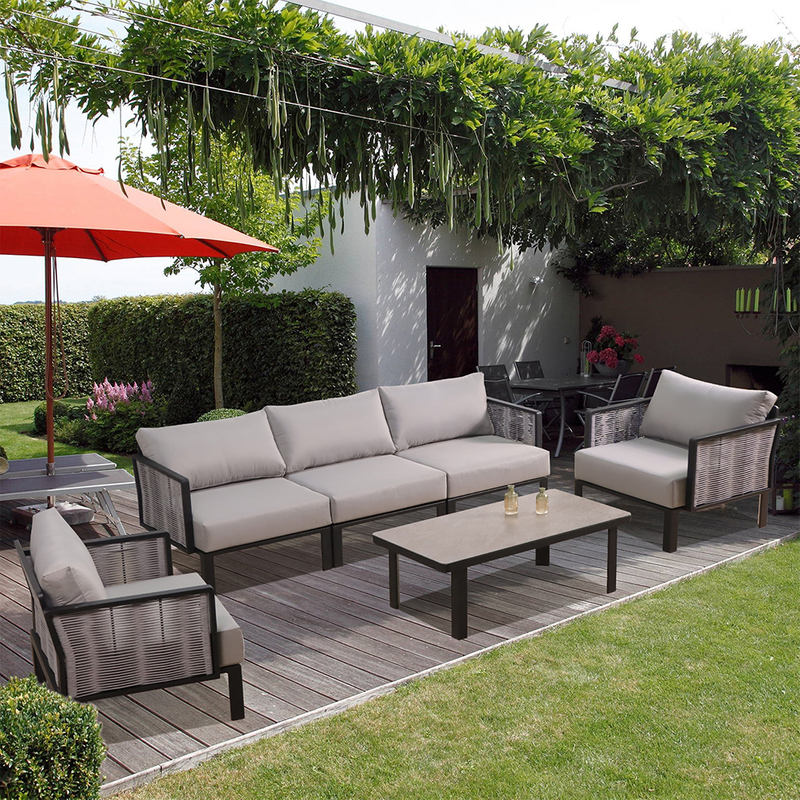
Creating physical barriers around your outdoor furniture can effectively deter spiders from making it their home. Using protective covers is one of the simplest yet most effective methods. High-quality furniture covers shield your pieces from the elements, preventing moisture accumulation that attracts spiders and their prey.
When selecting covers, ensure they fit snugly and are made from breathable materials to prevent mold growth underneath. Additionally, consider using furniture legs that are elevated off the ground. This design not only protects the furniture from moisture but also makes it more difficult for spiders to climb up and settle in.
Using covers provides multiple benefits beyond just preventing spider access. They can significantly reduce moisture buildup, which is a key factor in attracting insects. Without insects, spiders have less reason to invade your outdoor space. Furthermore, covers protect your furniture from UV rays, which can fade colors and weaken materials over time. This means your outdoor furniture will last longer and look better.
Cover Type | Material | Benefits |
Waterproof covers | PVC or polyester | Prevents moisture and UV damage |
Breathable covers | Canvas | Reduces mold growth |
Custom-fit covers | Tailored options | Provides maximum protection |
Certain materials, like copper, can act as effective deterrents against spiders. Installing copper barriers around the legs of your outdoor furniture creates an unwelcoming environment for these pests. Spiders dislike crossing copper surfaces, as it disrupts their ability to sense their surroundings.
In addition to copper, other materials such as diatomaceous earth can be sprinkled around the base of your furniture. This natural substance is harmless to humans and pets but effective at dehydrating and deterring spiders. By combining these materials with regular inspections and physical barriers, you can create a comprehensive defense against spider invasions.
Material | Application | Effectiveness |
Copper barriers | Around furniture legs | Deters spiders |
Diatomaceous earth | Surrounding areas | Dehydrates and repels spiders |
Essential oil sprays | On surfaces | Natural deterrent |
By integrating these long-term prevention strategies into your outdoor maintenance routine, you can enjoy your outdoor furniture without the worry of spider infestations. Regular inspections, physical barriers, and the use of effective materials work together to create an environment that is less inviting to these unwanted guests.
Keeping outdoor furniture spider-free is essential for a pleasant outdoor experience. Implementing a combination of strategies, such as regular inspections and physical barriers, can yield the best results. These methods not only deter spiders but also protect your furniture from damage. We encourage you to share your experiences or tips in the comments below. Together, we can create a more enjoyable outdoor space!


