
 English
 Views: 0 Author: Site Editor Publish Time: 2025-10-15 Origin: Site


Choosing the right wood for a wooden sofa is more than just a design choice—it determines how long your sofa lasts, how strong it feels, and how well it holds up under daily use. A wooden sofa is an investment, and picking the wrong wood can lead to warping, cracking, or early wear. Many homeowners struggle to balance durability, style, and maintenance when selecting a sofa frame. In this article, we will guide you through the best hardwood and softwood options, including their strengths, appearance, and care needs. You will also learn how to choose a wooden sofa that fits your lifestyle, budget, and interior design while ensuring long-term comfort and elegance. By the end, you’ll be equipped to make an informed choice and enjoy a sofa that looks great and lasts for years.
Hardwoods are the most popular choice for a wooden sofa frame due to their superior strength, stability, and longevity. They resist bending, warping, and daily wear, making them ideal for both family homes and commercial spaces. Below, we examine the most recommended hardwoods for a wooden sofa.
● Durability and Wear Resistance: Oak is one of the toughest hardwoods, able to handle frequent use without deforming. Its density makes it resistant to dents, scratches, and other damage.
● Grain Patterns and Aesthetic Appeal: The open-grain structure of oak creates a natural, elegant look that fits both modern and traditional interiors. Its light brown to medium reddish tones enhance room warmth.
● Moisture Resistance and Long-Term Maintenance: Oak resists moisture moderately, making it suitable for humid climates when properly sealed. A simple polish every few months keeps it looking new.
Tip: Oak is ideal for high-traffic areas or commercial lounge furniture due to its combination of strength and style.
● Natural Oils for Decay and Pest Resistance: Teak contains natural oils that protect it from rot, termites, and fungal damage. This makes it one of the most durable hardwoods for indoor and outdoor sofas.
● Indoor and Outdoor Suitability: Teak maintains its stability across temperature changes, making it ideal for areas prone to humidity or occasional outdoor exposure.
● Low Maintenance and Longevity: Teak ages gracefully, often developing a rich patina over time. Minimal cleaning and occasional oiling are enough to preserve its quality.
Note: Teak’s natural resistance makes it a top choice for tropical climates or high-moisture homes.
● Rich Color and Distinctive Grain: Rosewood exhibits deep reddish-brown tones and unique streaks that create a luxurious appearance.
● Luxury Appeal and Statement Furniture: Rosewood is often chosen for premium or designer wooden sofas due to its aesthetic presence.
● Resistance to Moisture and Insects: Dense and naturally oily, rosewood withstands humidity and pest attacks effectively.
Tip: A rosewood sofa can elevate the perceived value of a space, making it a favored option for boutique hotels or executive lounges.
● Smooth Texture and Design Versatility: Mahogany is easily carved, allowing intricate detailing in arms, legs, or decorative trims.
● Longevity and Rot Resistance: It withstands rot and decay, making it suitable for long-term use.
● Classic Elegance: Its warm reddish-brown color complements traditional interiors and pairs well with deep-colored fabrics.
● Toughness and Consistent Finish: Maple is dense and strong, making it ideal for supporting heavy cushions and frequent use.
● Shock Absorption Properties: Maple’s slight elasticity prevents cracks and absorbs daily stress.
● Cost-Effectiveness: Compared to other hardwoods, maple offers excellent durability at a moderate price.
● Dark, Sophisticated Appearance: Walnut’s deep chocolate tones enhance luxury and elegance.
● Structural Strength and Durability: Dense and stable, walnut can hold up over decades without losing shape.
● High-End Applications: Often used in designer or handcrafted wooden sofas, particularly for visible frames or carved elements.
Hardwood | Durability | Aesthetic | Maintenance | Ideal Use |
Oak | High | Classic grain | Moderate | Family, living rooms |
Teak | Very High | Golden hue | Low | Indoor/outdoor |
Rosewood | High | Luxury | Moderate | Statement sofas |
Mahogany | High | Smooth & rich | Low | Carved/ornate sofas |
Maple | High | Light & uniform | Moderate | Functional sofas |
Walnut | High | Dark & elegant | Low | Premium furniture |
Note: Hardwoods are preferred for the main frame because they combine aesthetics and longevity, ensuring a wooden sofa remains stable and visually appealing over decades.
Softwoods are lighter, easier to work with, and more cost-effective. While they are not as strong as hardwoods, softwoods are ideal for internal frames or budget-friendly sofas.
● Lightweight and affordable, pine allows for easy handling and assembly.
● Best suited for internal frames rather than main visible structures.
● Can be treated or stained to improve appearance, but less dense than hardwoods.
● Fir is slightly more rigid than pine, offering better support.
● Common in mid-tier wooden sofas that balance durability and cost.
● Works well in combination with hardwood arms or legs.
● Naturally resistant to insects, making it practical for hidden internal supports.
● Aromatic properties add a subtle fragrance to furniture interiors.
● Best used in concealed frameworks where aesthetics are secondary.
Tip: Combining softwoods internally with hardwood exteriors reduces production cost while maintaining structural integrity.
Understanding the difference between hardwoods and softwoods is critical for choosing a wooden sofa that lasts.
● Hardwoods like oak, teak, and walnut can endure heavy daily use without bending or cracking.
● Softwoods may dent or flex under consistent weight or pressure.
● Hardwoods maintain shape and resist warping over time.
● Softwoods may degrade faster, especially in humid environments or high-traffic areas.
● Hardwoods are generally more expensive due to slow growth and density.
● Softwoods offer cost-effective alternatives, especially for internal components.
Note: Many furniture manufacturers use a combination: hardwood for visible frames, softwood for internal supports, achieving durability at a lower cost.
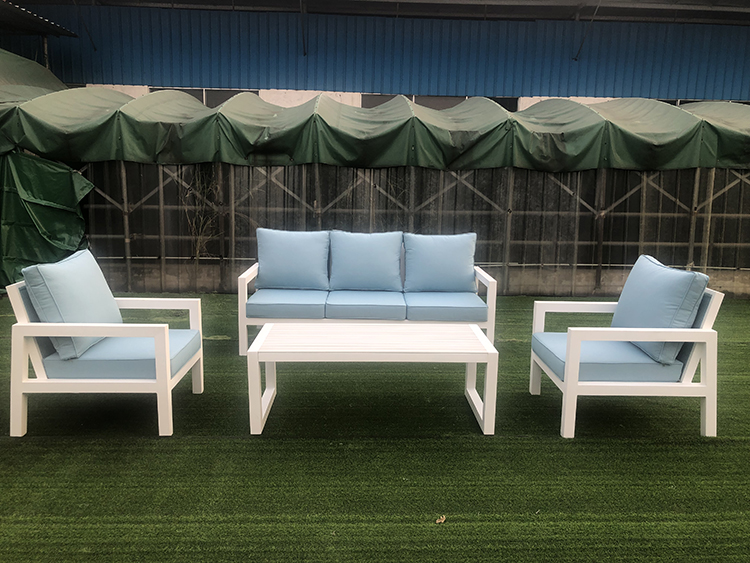
Selecting the right wood for a wooden sofa depends on lifestyle, room environment, and design preference.
● Match wood color, grain, and finish with your interior style.
● Lighter woods like maple or beech suit contemporary designs.
● Darker woods like walnut or mahogany complement classic or luxury interiors.
● Hardwoods such as teak and oak require minimal maintenance.
● Rosewood or maple may need polishing or occasional coating to preserve finish.
● Regular cleaning prolongs life and maintains the sofa’s aesthetic appeal.
● Opt for sustainably sourced wood to reduce environmental impact.
● Sheesham and teak plantations provide eco-friendly alternatives.
● Promoting sustainability enhances brand reputation in commercial or B2B settings.
Tip: Highlight eco-friendly materials when marketing wooden sofas to environmentally conscious clients.
Luxury wooden sofas often use rare woods for exclusivity and longevity.
● Dense and dark, ideal for premium furniture designs.
● Adds sophistication and visual impact to high-end wooden sofas.
● Extremely hard and resilient, suitable for high-load areas.
● Offers longevity for bespoke or handcrafted wooden sofas.
● Exotic grain patterns and natural durability.
● Expensive, used mainly in designer or statement furniture.
Note: Specialty woods increase perceived value, making sofas a long-term investment in luxury interiors.
● Clean and polish regularly to maintain finish and protect from wear.
● Avoid direct sunlight to prevent fading or drying cracks.
● Use a combination of hardwoods and softwoods for optimal durability and cost efficiency.
● Control indoor humidity to reduce risk of warping or splitting.
● Rotate cushions and protect legs to prevent uneven stress.
Tip: Proper care can extend a wooden sofa’s life by decades, maximizing ROI for residential and commercial spaces.
Selecting the best wood for a wooden sofa balances durability, style, and budget. Hardwoods like oak, teak, and walnut provide lasting strength, while softwoods support cost-effective frames. Specialty woods offer luxury designs. Foshan Darwin Furniture delivers high-quality wooden sofas that combine durability, comfort, and elegance, ensuring long-term value for homes and businesses.
A: Hardwoods like oak, teak, walnut, and mahogany offer the best durability and style for a wooden sofa.
A: Yes, softwoods like pine or fir are often used for internal frames or budget-friendly wooden sofas.
A: Hardwoods resist warping, handle daily use, and provide a long-lasting, elegant wooden sofa frame.
A: Dense hardwoods extend the sofa’s durability, while softwoods may wear faster under heavy use.
A: Yes, woods like ebony or bocote add luxury, unique grain patterns, and long-term value.
A: Absolutely, hardwoods like teak require less care, while some woods may need polishing or sealing.
A: Typically, hardwood wooden sofas cost more upfront but last longer and provide better long-term value.


