
 English
 Views: 159 Author: Site Editor Publish Time: 2026-03-02 Origin: Site


When it comes to staying protected from the sun’s harmful UV rays, the color of your outdoor parasol plays a more significant role than you might think. Beyond aesthetics, the right hue can make a dramatic difference in how well it shields you from skin damage. In this guide, we’ll break down which colors offer the best sun protection, the science behind it, and key features to look for—including the game-changing benefit of a sun-tracking parasol head.

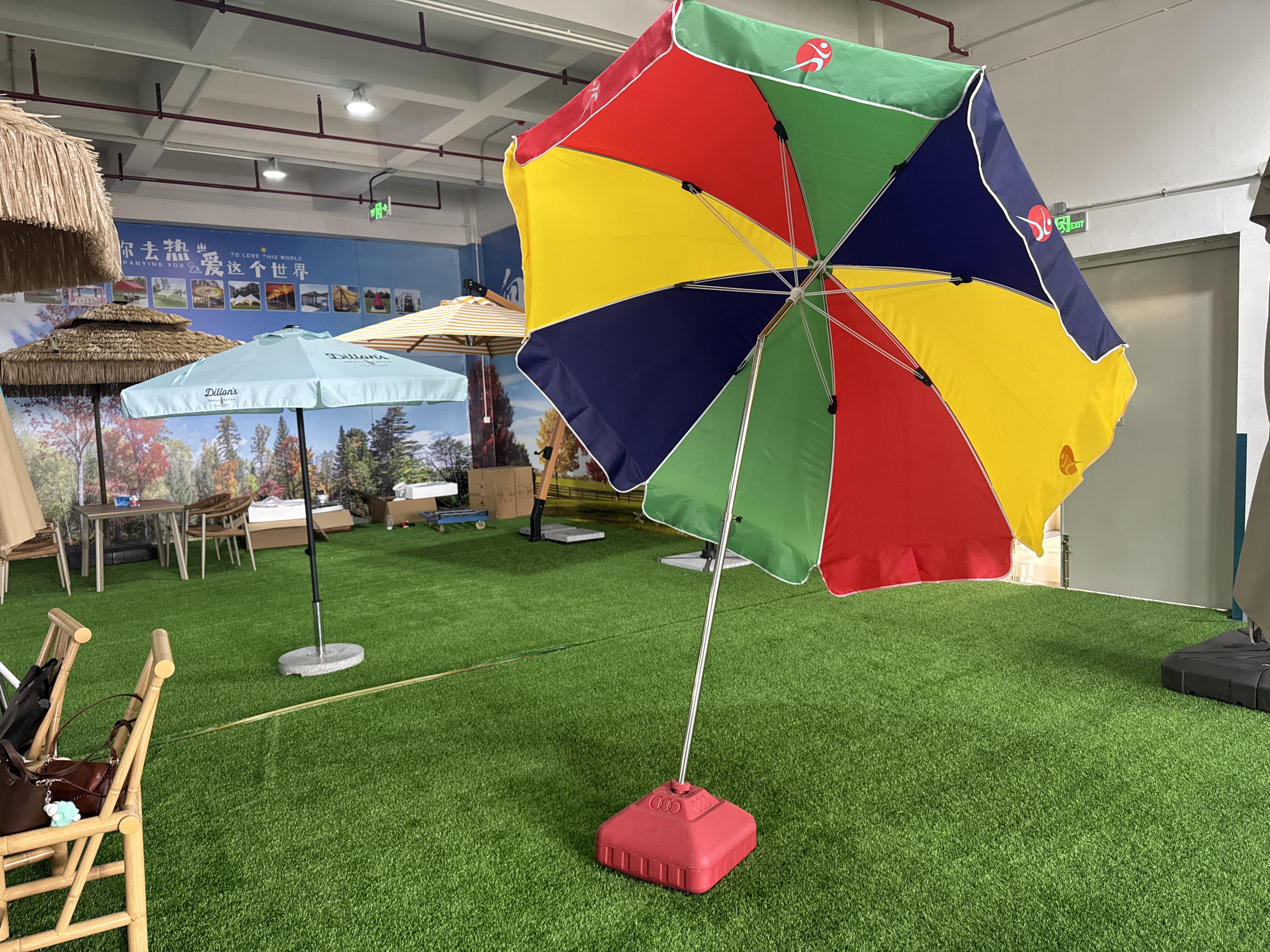
Best for Maximum Protection: Deep, saturated colors like black, dark navy, deep purple, forest green, and bright red are the top performers. These hues absorb a high percentage of UV rays, preventing them from passing through the fabric to reach your skin.
Moderate Protection: Colors like gray, medium blue, and brown offer a decent level of UV block, but not as effectively as the darkest shades.
Least Effective: Light, pastel colors like white, beige, light yellow, and pale blue are the least protective. While they reflect visible sunlight, which can make the area under them feel cooler, they allow a significant amount of harmful UV radiation to penetrate through.
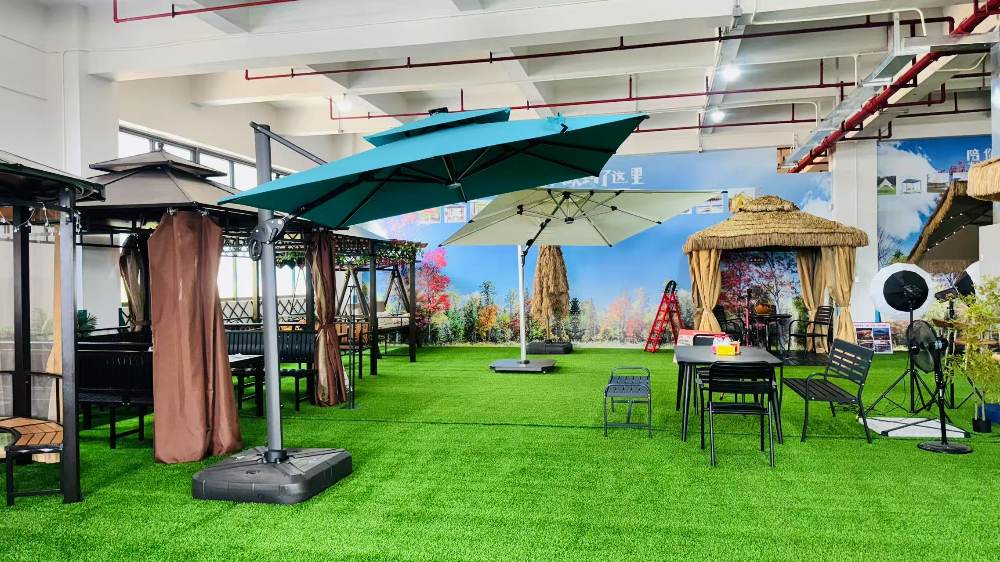
Dark Colors: Darker pigments are more efficient at absorbing both UVA and UVB rays. This absorption converts the light energy into heat, which is then dissipated away from the area beneath the parasol, rather than reaching your skin.
Light Colors: Lighter colors reflect more visible light, which is why they can feel cooler. However, this reflectivity does not extend to the invisible UV spectrum. In fact, some light-colored fabrics can actually allow more UV rays to pass through, especially if the material is thin or loosely woven.
It’s important to remember that UV protection is about blocking penetration, not just about feeling cool.
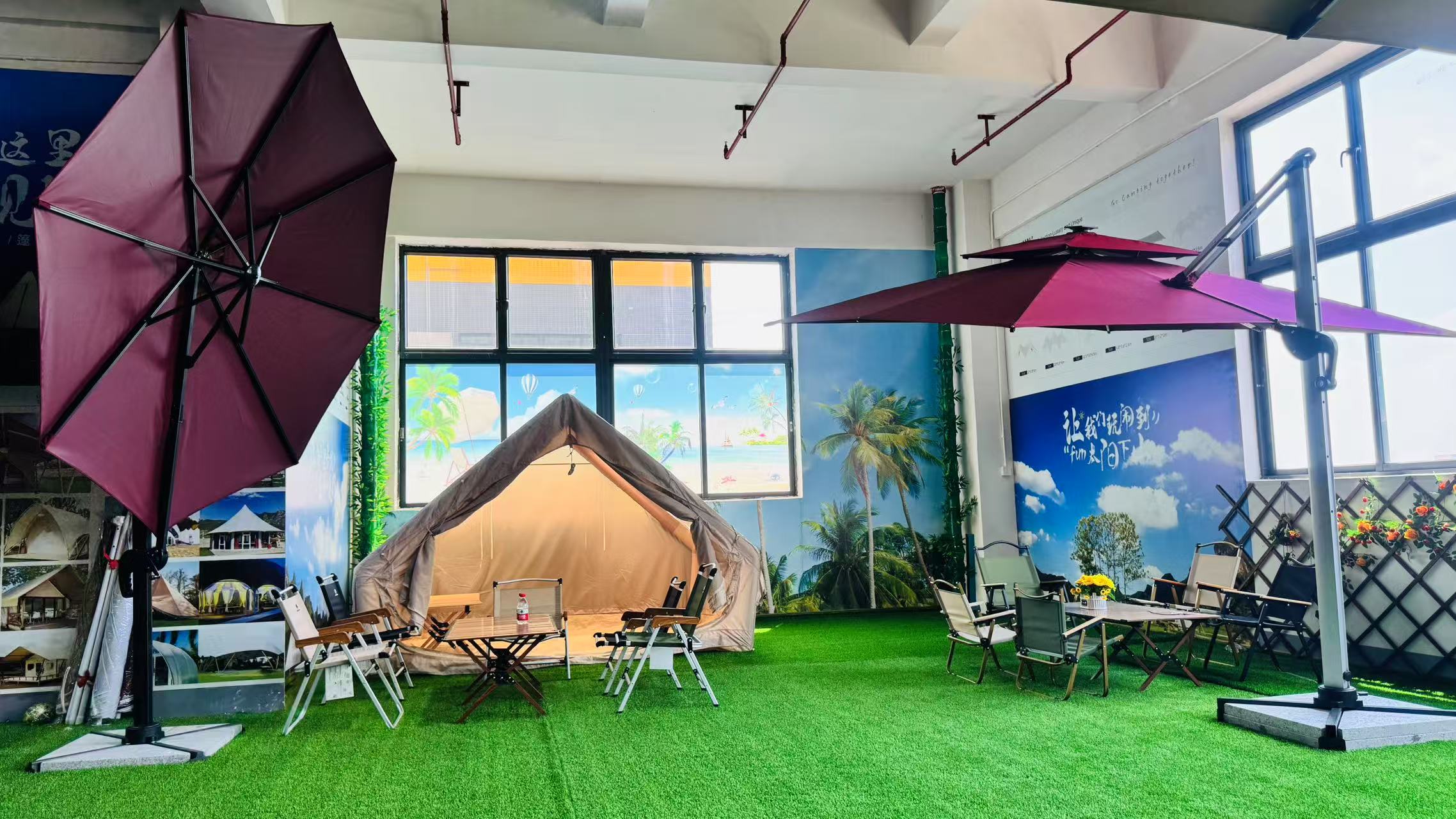
Fabric Density & Thickness: A tightly woven, thick fabric will always provide better UV protection than a thin, sheer one, regardless of color. Look for descriptions like “heavy-duty polyester” or “solution-dyed acrylic.”
UPF Rating: The gold standard for sun-protective clothing and fabrics is the Ultraviolet Protection Factor (UPF) rating. Aim for a parasol with a UPF 50+ certification, which means it blocks over 98% of all UV radiation.
Protective Coatings: Many modern parasols feature internal coatings, such as blackout or vinyl layers, which significantly enhance their UV-blocking capabilities. These coatings are often found on the underside of the canopy.
Canopy Size & Shape: A larger canopy provides more comprehensive coverage. A fully extended, well-shaped parasol will shield a greater area from direct sunlight.
If you want to know more about outdoor furniture , welcome to contact us !


