
 English
 Views: 0 Author: Site Editor Publish Time: 2025-10-15 Origin: Site


Choosing the right wood for furniture can be more challenging than it seems. Oak and teak are two of the most popular hardwoods in the wood furniture industry, prized for their durability, appearance, and ability to suit both indoor and outdoor designs. Despite their popularity, many buyers struggle to tell them apart, which can lead to costly mistakes, especially when investing in high-end or large-scale furniture pieces. The confusion arises because both woods are premium, share similar uses, and can look surprisingly alike when freshly cut. In this article, you will learn how to distinguish oak from teak with confidence. We will explore key visual differences, durability and strength clues, maintenance tips, and sourcing considerations, helping you make informed decisions and choose the right wood furniture for your needs.
Recognizing the visual characteristics of oak and teak is often the first step in distinguishing between them. Visual cues can be identified through grain patterns, color, patina, and surface texture.
Teak is known for its straight grain, occasionally showing slight waviness. Its texture is tight, smooth, and slightly oily. This density and uniformity make teak ideal for furniture requiring longevity and resistance to environmental stress.
Oak, on the other hand, displays a heavier and more pronounced grain. Depending on the species—red oak or white oak—the grain can range from straight lines to dramatic cathedral patterns. These grains create a textured surface that often feels coarser compared to teak.
● Teak: Tight grain, smooth texture, occasional waves
● Oak: Prominent grain, heavier texture, straight or cathedral patterns
Tip: Run your fingers along the grain of a furniture piece. Teak’s slight oiliness is a distinguishing tactile clue, whereas oak feels drier.
Color is one of the most immediate ways to differentiate these two hardwoods. Freshly cut teak ranges from golden brown to yellow, gradually developing a silver-gray patina over time when exposed to sunlight and weather. Oak typically shows light tan to medium brown hues, with red oak exhibiting reddish tones and white oak maintaining lighter, more even coloration.
Color alone can be misleading, especially when furniture is stained or varnished. However, natural, untreated pieces reveal the true hue differences more clearly.
● Teak: Golden brown to yellow; naturally ages to silver-gray
● Oak: Tan to medium brown; red or white variations; color remains more consistent
Teak is highly prized for its natural patina. Over time, teak exposed to the elements undergoes a chemical reaction that creates a silver-gray surface. This aging process is not only aesthetically pleasing but also protective. Oak, however, does not naturally develop the same patina and may require protective treatments to maintain appearance.
The tactile sensation of the wood provides additional clues. Teak feels slightly oily due to its high natural oil content, making it smooth to the touch. Oak is noticeably drier and heavier.
Tip: Check the furniture under natural light and touch the surface. A slightly oily and smooth feel usually indicates teak.
Many buyers mistakenly assume that color alone identifies the wood. Staining and finishing can obscure these cues. Always combine visual and tactile assessments for accuracy.
Durability and strength are crucial for both aesthetic longevity and structural integrity in wood furniture. Teak and oak differ in several ways, affecting their performance in indoor and outdoor settings.
Teak is exceptionally hard, which makes it ideal for furniture that must withstand heavy use. Oak is also hard and durable, but slightly less dense than teak. Both are capable of enduring daily wear, but teak’s superior density and hardness contribute to a longer functional lifespan.
Teak’s natural oils act as a barrier to water and pests. Furniture made from teak resists rot, mold, and mildew, making it a top choice for outdoor wood furniture. Oak contains tannins that offer moderate protection against decay, but without proper treatment, it is more vulnerable to moisture and insects.
The high oil content in teak reduces maintenance requirements and protects the wood from environmental stress. Oak requires sealants or varnish when used outdoors, as its lower oil content leaves it more susceptible to warping or splitting.
● Teak: Minimal warping, develops a uniform silver-gray patina, surface remains structurally strong
● Oak: May develop scratches, dents, or minor warping if not properly maintained
Tip: For outdoor furniture, look for oiliness and hardness. Teak’s natural resilience can reduce maintenance and replacement costs over time.
Maintenance requirements can reveal the wood type and influence long-term investment decisions.
Teak furniture is low-maintenance. It can endure exposure to sunlight, rain, and humidity with minimal intervention. A periodic application of teak oil preserves the golden hue but is optional. Oak, however, requires more frequent sealing, cleaning, and occasional staining to maintain durability outdoors.
Furniture that demands regular oiling or sealing is likely oak. Teak’s natural oils provide intrinsic protection, meaning it ages gracefully without treatment.
Teak tolerates varying climates, including coastal and humid environments. Oak outdoor furniture, unless properly treated, may warp, swell, or crack over time.
● Teak: Wash with mild soap and water; optional teak oil to maintain color
● Oak: Use oak-specific cleaners; apply protective outdoor sealant regularly
Note: Consistent cleaning and sealing extend the lifespan of oak wood furniture, particularly in humid or rainy climates.
Understanding the origin of the wood helps confirm identification and ensures ethical purchasing.
● Teak: Native to Southeast Asia, including Indonesia, Myanmar, Thailand, and India
● Oak: Found throughout Europe, North America, and parts of Asia
Teak from plantations may have slightly lower density than old-growth forest teak. Oak quality varies depending on species, soil conditions, and growth environment.
● Teak: Golden brown, smooth texture, slightly oily
● Oak: Light brown, coarser texture, prominent grains
Look for FSC-certified or other sustainable wood labels. Ethical sourcing ensures the furniture is responsibly harvested, improving both quality and investment value.
Tip: Verified sourcing labels help identify authentic teak, reducing the risk of buying lower-quality substitutes.
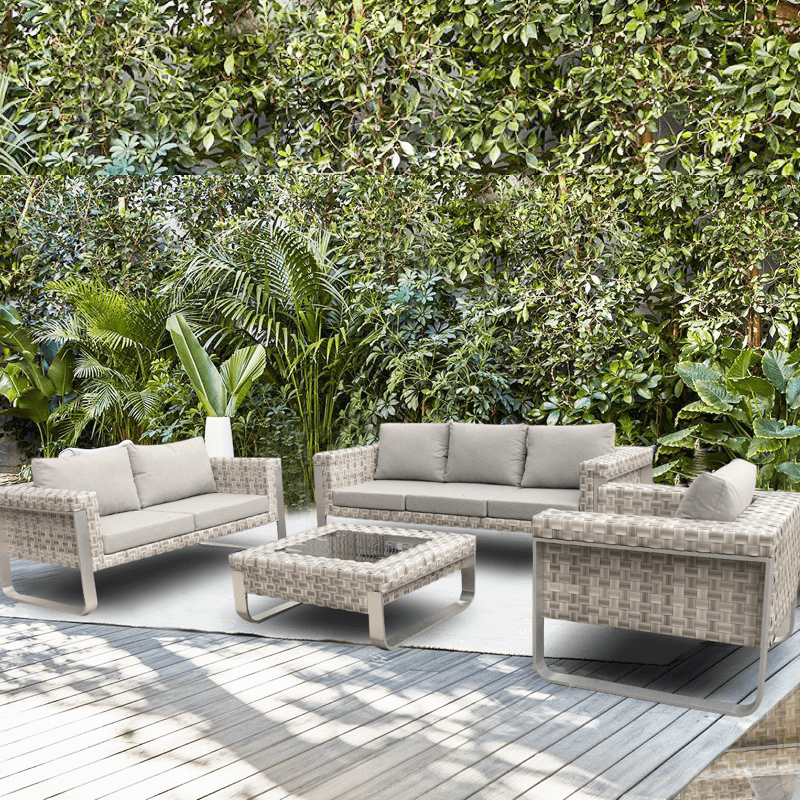
Teak is generally more expensive due to scarcity, growth time, and export restrictions. Oak is more abundant, making it a more budget-friendly choice for furniture buyers.
Furniture price is influenced by the wood grade, origin, and craftsmanship. High-grade teak from old-growth forests commands premium prices, whereas plantation teak or oak offers affordable alternatives.
A high price tag often indicates teak, while mid-range pricing usually points to oak or lower-grade teak.
● Teak: Higher upfront cost but long-lasting, low maintenance, ideal for outdoor investment
● Oak: Lower initial cost; requires ongoing maintenance to preserve durability
● Teak: Outdoor seating, garden furniture, decks, countertops, doors, boat furniture
● Oak: Indoor tables, chairs, flooring, wine barrels, cabinetry
Teak excels in outdoor conditions due to its natural oil content, while oak is more suited for indoor applications or outdoor use with protective treatments.
Teak’s resistance to moisture makes it suitable for marine applications. Oak’s high tannin content makes it ideal for barrels and wine production.
● Teak: Smooth grain, modern and minimalist design
● Oak: Bold, textured grain, rustic and traditional aesthetics
● Check color and grain visually
● Touch the surface for oiliness or dryness
● Assess weight: teak is denser than oak
Teak naturally develops a silver-gray patina, while oak maintains a brown hue that may darken unevenly with age.
Look for uniformity in teak grains and a slight oily feel. Oak grains are coarser and lighter.
Note: Always inspect furniture under natural light to evaluate true color and grain characteristics accurately.
Distinguishing oak from teak is key for smart wood furniture choices. Teak offers lasting durability and luxurious appeal, while oak is strong and budget-friendly but needs care. Foshan Darwin Furniture provides high-quality pieces that combine beauty and resilience, ensuring long-term value for any indoor or outdoor space.
A: Check the grain, color, and texture. Teak is oily and golden-brown; oak is drier with pronounced grains.
A: Teak is rarer, highly durable, and naturally resistant to moisture and pests.
A: Yes, but oak needs sealants and regular maintenance to protect it from moisture.
A: Teak develops a silver-gray patina; oak darkens slightly but maintains a brown tone.
A: Teak offers long-lasting durability, low maintenance, and excellent outdoor resistance.
A: Touch for oiliness, observe grain patterns, and assess weight; teak feels smoother and denser.


