
 English
 Views: 0 Author: Site Editor Publish Time: 2025-10-15 Origin: Site


Can wood furniture sit outside safely? Many homeowners and businesses wonder if it can withstand sun, rain, and changing weather without deteriorating. Using wood furniture outdoors can enhance a patio, garden, or terrace, adding warmth and style while creating inviting spaces for relaxation or social gatherings. However, outdoor conditions pose challenges that indoor furniture does not face. Sunlight can fade surfaces, rain and humidity can warp wood, and pests like termites may damage untreated pieces. In this article, we will explore the best wood types for outdoor use, practical maintenance tips, and protective strategies. You’ll learn how to choose, care for, and preserve wood furniture so it remains durable and beautiful while enjoying the outdoors. By the end, you’ll understand how to maximize longevity and keep your outdoor spaces stylish with well-maintained wood furniture.
Not all wood is created equal when it comes to outdoor durability. Certain hardwoods and softwoods possess natural properties that help them withstand moisture, UV exposure, and insect activity. Selecting the right wood is the first step in ensuring your outdoor furniture lasts decades.
● Teak: Known as the gold standard for outdoor wood furniture. It contains natural oils that repel water, resist rot, and prevent cracking. Teak weathers beautifully to a silver-gray patina if left untreated.
● Cedar: A softwood prized for its aromatic scent, insect resistance, and moderate decay resistance. Cedar darkens to reddish-brown with age, providing a warm aesthetic.
● Acacia: A durable hardwood that withstands outdoor use with proper oil treatment. Dense grain patterns prevent warping, and it develops a rich, reddish-brown patina over time.
● Redwood: Naturally resistant to moisture and insects, with a straight grain and warm reddish tones. Best maintained with occasional sealing to prevent splitting.
● Eucalyptus: A dense hardwood resistant to decay. Requires oiling to maintain its durability and color.
Other woods like oak, walnut, and cherry are better suited to indoor use because they lack sufficient natural oils and weather resistance.
Understanding what makes wood durable outdoors can guide your choice:
● Water Resistance: Essential to prevent swelling, cracking, and mold formation.
● Insect Resistance: Reduces termite and beetle damage.
● UV Tolerance: Prevents fading, discoloration, and surface degradation.
● Density and Grain: Tight grains improve structural integrity and reduce the risk of splitting.
● Natural Oils: Help maintain moisture balance and reduce the need for chemical treatments.
Teak is the most iconic example, thanks to its high oil content, tight grain, and density. Cedar contains natural compounds that repel insects, while acacia benefits from dense fibers that resist warping.
Indoor furniture prioritizes smooth finishes and aesthetic appeal. Outdoor furniture requires additional durability features:
● Finishes: Outdoor wood often receives weather-resistant sealants or oils.
● Design: Furniture may include gaps to accommodate expansion and contraction.
● Hardware: Stainless steel or rust-resistant screws and bolts prevent corrosion.
● Construction: Outdoor joints are reinforced to withstand moisture and temperature fluctuations.
Choosing furniture designed for outdoor use is critical, even if the wood type is durable.
Wood maintenance varies based on species:
● Teak: Minimal maintenance; can last decades untreated, but optional oiling preserves honey-gold tones.
● Cedar and Redwood: Naturally decay-resistant but softer; require light sealant or oil for color preservation.
● Acacia and Eucalyptus: Require annual oiling or sealing to maintain water resistance.
Tip: Prioritize wood types with natural oils for minimal maintenance if long-term upkeep is a concern.
● Grain Direction: Straight-grained wood is less likely to warp or split.
● Density: Denser woods resist dents and weather-related expansion.
● Natural Oils: Help reduce moisture absorption and protect against environmental stressors.
Wood faces multiple outdoor stressors:
● Sunlight: Causes surface cracking, fading, and resin migration.
● Rain and Humidity: Leads to swelling, mold, and rot if the wood absorbs water.
● Snow and Frost: Can warp joints and compromise structural integrity.
● Temperature Fluctuations: Repeated expansion and contraction may loosen joints or create cracks.
Neglecting protection can cause:
● Warping or twisting
● Cracking along grain lines
● Surface fading
● Mold or mildew formation
● Pest infestations, including termites and beetles
● Wet Soil or Grass: Direct contact increases moisture absorption and rot risk.
● Concrete or Decking: Offers stable surfaces that reduce water-related damage.
● Shade: Areas with low airflow can trap moisture, increasing mold risk.
Note: Position furniture on well-drained, stable surfaces to maximize lifespan.
Wood naturally expands during high humidity and contracts in dry conditions. Tight or restricted joints can crack, while loosely stacked furniture may warp.
Cedar and teak naturally resist insects. Other woods may require protective treatments. Regular inspection and preventive measures reduce structural damage.
Tip: Combine strategic placement, protective finishes, and regular inspections to prevent costly repairs.
Wood Type | Hard/Soft | Outdoor Durability | Maintenance |
Teak | Hard | Extremely high | Low |
Acacia | Hard | High | Moderate |
Black Locust | Hard | Very high | Low |
Cedar | Soft | Medium-high | Low |
Redwood | Soft | Medium-high | Moderate |
Hardwoods generally last longer and resist dents, warping, and pests. Softwoods are easier to handle and lighter but require more care.
High-quality woods like teak or black locust have higher upfront costs but last decades. Low-cost options may need frequent replacement, increasing long-term expenses.
● Humid or rainy regions: Teak, black locust
● Dry, sunny areas: Acacia, redwood
● Cold, snowy climates: Cedar or treated hardwoods
● Concrete or decking prevents water damage.
● Grass or soil requires naturally rot-resistant or treated wood.
● Ensure furniture legs are elevated slightly for airflow and drainage.
● Teak ages to a silver-gray patina naturally.
● Cedar darkens to reddish-brown.
● Acacia and eucalyptus gain depth in hue over time.
● Decide whether natural aging or preserved color is preferred.
● Teak: Extremely durable, low maintenance, expensive, beautiful aging.
● Acacia: Affordable, dense, requires annual oiling.
● Black Locust: Very resistant to rot, moderate cost, hard to manipulate.
● Cedar: Softer, insect-resistant, aesthetic color changes, low-maintenance.
● Redwood: Attractive grain, moderate durability, requires occasional sealant.
Tip: Match wood selection to climate, patio surface, and desired aesthetic to optimize ROI.
Protective coatings shield wood from moisture, UV rays, and stains:
● Tung Oil or Linseed Oil: Penetrates softwoods, improves water resistance.
● Teak Oil: Preserves color while enhancing natural water resistance.
● Outdoor Varnish or Polyurethane: Forms a durable surface barrier.
● Clean monthly or after heavy use:
○ Mild soap and water
○ Soft-bristle brushes or sponges
● Avoid harsh chemicals that strip natural oils.
● Rinse thoroughly to prevent residue.
Covers prevent fading, water damage, and dirt accumulation. Store delicate woods indoors during winter or storms.
● Inspect joints and screws for looseness.
● Sand and refinish worn areas.
● Reapply sealants annually.
● Fill minor cracks with wood filler.
● Sand surface lightly before re-oiling or staining.
● Replace damaged hardware as needed.
Some woods like teak benefit from natural aging. Others, like cedar and redwood, require sealants to preserve vibrant color.
Note: Regular maintenance reduces long-term costs and preserves aesthetic appeal.
● Waterproofing: Prevents water entry but may trap internal moisture.
● Weather-resistant finishes: Protect wood while allowing breathability.
● Ensure proper drainage under furniture.
● Wipe puddles and spills promptly.
● Apply sealants or oils regularly.
● Use UV-inhibitor finishes.
● Cover furniture during peak sunlight exposure.
● Teak and acacia benefit from occasional oiling.
● Cedar and redwood require protective sealants to reduce cracking.
● Pros: Beautiful patina, authentic look, minimal intervention.
● Cons: Color changes, rougher texture, higher UV exposure risk.
Tip: Decide whether you prefer natural aging or preserved appearance before protection.
● Which wood furniture can be left outside in winter?
● Teak, black locust, and cedar are suitable with protection.What type of wood lasts the longest outdoors?
● Teak, thanks to high oil content and density, can last 30+ years.Can all woods be made weather-resistant?
● Most can be treated, but untreated softwoods degrade quickly.How often should outdoor wood furniture be maintained?
● Clean monthly, oil/seal annually, inspect joints seasonally.Are protective covers necessary for all wood types?
Recommended for all, especially softwoods and delicate hardwoods.
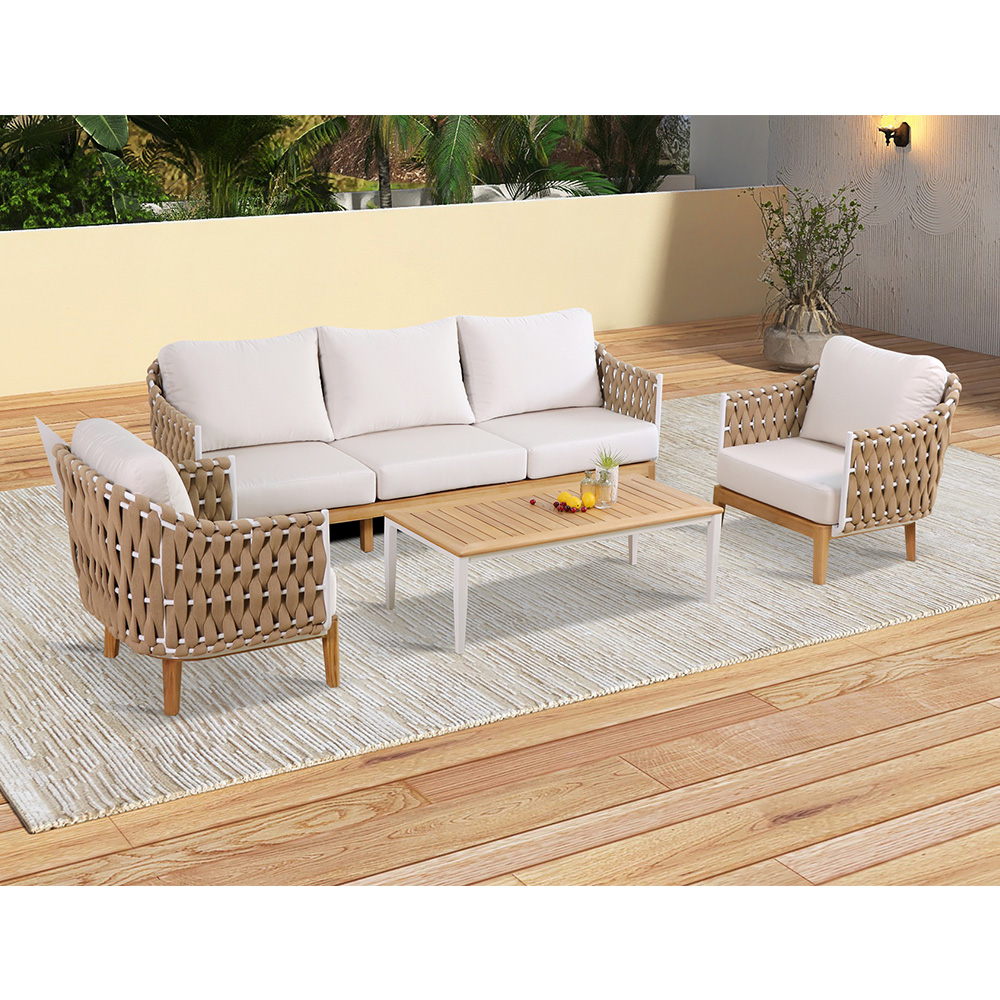
Wood furniture can thrive outdoors with proper care. Choosing durable types like teak, cedar, or acacia ensures longevity. Foshan Darwin Furniture offers high-quality outdoor pieces that combine style and durability. Their products, including premium outdoor sofas, provide long-lasting beauty while enhancing any patio or garden space. Regular maintenance and protective measures maximize the value of these investments.
A: Yes, if you choose durable types like teak or cedar and apply protective finishes.
A: Teak, acacia, cedar, redwood, and black locust are ideal for weather resistance.
A: Clean regularly with mild soap, reapply oils or sealants, and use covers when not in use.
A: Warping occurs from moisture, humidity, and temperature changes affecting the wood grain.
A: Yes, covers help prevent water damage, UV fading, and extend the furniture’s lifespan.
A: Durable woods like teak have higher upfront costs but offer long-term value and longevity.


